Advanced Digital Health Software Development Services for Connected Care Innovation
The digital health landscape presents unique digital health software development challenges that need innovative software solutions:
- What are the main benefits of digital health software solutions?
- Digital health software solutions help streamline operations, improve service delivery, and reduce operational costs. By integrating technologies like AI, cloud computing, and automation, healthcare organizations can enhance efficiency, communication, and user experience while ensuring compliance with healthcare industry regulations.
- How can AI enhance healthcare operations and patient outcomes?
- AI can significantly improve both service quality and operational efficiency. Through AI-driven analytics, predictive modeling, and automated processes, healthcare organizations can achieve better decision-making, resource optimization, and personalized user experiences. AI-powered tools like chatbots also enhance patient engagement and streamline administrative tasks.
- What are the common challenges healthcare organizations face with digital transformation?
- Healthcare organizations often face challenges with legacy system integration, patient data security, scalability, and regulatory compliance. These issues can impact efficiency and user satisfaction. Modern digital health software solutions address these challenges through secure cloud platforms, seamless integrations, and user-friendly interfaces that improve service delivery and management.
- How can WTT Solutions support digital health software development initiatives?
- WTT Solutions enables healthcare organizations in their digital transformation journey by developing digital health software solutions that integrate with existing systems and improve efficiency. Our expertise includes building AI-powered platforms, mobile applications, and enterprise systems that are scalable, secure, and compliant with healthcare industry standards. We help healthcare organizations stay competitive in the digital age. Non-clinical product platforms use our <a href="/en/platform-development">digital platform development services</a>.
- Why is patient data security important in digital health software, and how do you ensure it?
- Patient data security is essential for protecting sensitive information and maintaining user trust in digital health software. WTT Solutions implements comprehensive security measures including end-to-end encryption, multi-factor authentication, and compliance with international regulations. Our digital health software solutions are designed to protect patient data integrity, prevent unauthorized access, and ensure the highest security standards.
- How do your digital health software development services support medical software development?
- Our digital health software development services support medical software development by providing specialized expertise in creating digital health solutions. We develop healthcare solutions that integrate with medical devices, support remote patient monitoring, and ensure compliance with healthcare sector regulations while enhancing patient outcomes.
- What experience does your digital health software development company have with medical devices integration?
- Our digital health software development company has extensive experience with medical devices integration. We develop digital health software that seamlessly connects with various medical devices, enabling real-time data collection, monitoring, and analysis. Our software solutions ensure interoperability and compliance with healthcare industry standards.
- How do your development services help healthcare professionals improve patient outcomes?
- Our development services help healthcare professionals improve patient outcomes by creating intuitive digital health software that streamlines workflows, enhances decision-making, and supports better patient care. We develop digital health solutions that provide real-time insights, automate routine tasks, and enable more effective patient management for healthcare professionals.
- What does HIPAA-compliant digital health software development actually require?
- HIPAA-compliant digital health software requires encrypted data storage and transit, audit logs, role-based access controls, a signed Business Associate Agreement (BAA) with every vendor, and a documented risk analysis before go-live. Beyond the checklist, it demands architectural decisions made from day one — not bolted on at the end. At WTT Solutions, we embed HIPAA controls into the system design phase: we select HIPAA-eligible cloud services (AWS GovCloud or Azure Healthcare APIs), define minimum necessary data access policies, implement automatic session timeouts, and produce the written risk assessment required under the HIPAA Security Rule. We also support your team through annual HIPAA review cycles post-launch.
- How much does it cost to build a digital health platform?
- A focused digital health MVP typically costs $40,000–$100,000 (3–6 months), a multi-module connected platform runs $100,000–$260,000 (6–12 months), and enterprise-grade ecosystems with AI and unlimited integrations start at $260,000+. Cost is driven primarily by the number of external integrations (each EHR or device API adds 4–8 weeks), the compliance level required (HIPAA only vs. HIPAA + FDA SaMD), and whether you need custom AI models or can use pre-built APIs. Our Pricing section above gives detailed tier breakdowns. We also offer a free Build vs. Buy analysis — comparing custom development against configuring an off-the-shelf platform — before any commitment.
- What is HL7 FHIR and why does it matter for my digital health project?
- HL7 FHIR (Fast Healthcare Interoperability Resources) is the current international standard for exchanging clinical data between healthcare systems using REST APIs — it is how your platform talks to Epic, Cerner, Apple Health, and thousands of other systems without custom point-to-point connectors. Every digital health platform we build uses FHIR R4 as the data exchange layer. This means your platform can pull patient records from any FHIR-compliant EHR, push device readings back to the clinical record, and comply with the CMS Interoperability Rule requiring payer and provider data access. FHIR-first architecture also future-proofs your platform — as new systems adopt FHIR, your integration scope expands without rewriting core code.
- Can your digital health software integrate with existing EHR systems like Epic or Cerner?
- Yes — we integrate with Epic, Cerner, athenahealth, eClinicalWorks, and any FHIR R4-compliant system using SMART on FHIR OAuth and HL7 FHIR APIs. Epic and Cerner both expose FHIR R4 endpoints; we have built integrations against Epic's App Orchard APIs and Cerner's Ignite platform. For legacy systems that expose only HL7 v2 feeds or proprietary APIs, we build a middleware translation layer so your digital health platform receives clean, standardised FHIR resources regardless of the source system. Integration scope, access credentials, and testing environment access are mapped in the Discovery phase so there are no surprises mid-build.
- What is Software as a Medical Device (SaMD) and do you handle FDA regulatory submissions?
- Software as a Medical Device (SaMD) is any software that performs a medical function independently of hardware — for example, an AI algorithm that diagnoses from images, a clinical decision support tool that recommends treatment, or a remote monitoring app that triggers clinical alerts. If your digital health software meets the FDA's SaMD definition, it may require a 510(k) clearance or De Novo authorisation before US commercial launch. WTT Solutions supports the technical documentation side of FDA submissions: we implement IEC 62304 software lifecycle processes, maintain a Software Bill of Materials (SBOM), produce the Software Description Document, and structure risk management files per ISO 14971. We work alongside your regulatory affairs team or can recommend specialist RA consultants for the full submission.
- How long does it take to develop and launch a digital health application?
- A focused digital health MVP reaches production in 3–6 months; a multi-module platform with EHR integrations and an AI feature typically takes 6–12 months. The timeline is determined by three factors: integration complexity (each external system — EHR, device, lab, insurer — adds 3–6 weeks of API work), compliance scope (adding FDA SaMD documentation extends delivery by 2–4 months), and stakeholder availability for user acceptance testing with clinical staff. Our 5-phase process — Discovery, FHIR Architecture, Sprint Development, Compliance Testing, Launch — is designed to give you a testable working module within 4–8 weeks of project kickoff, so you are validating real software with real users long before the final launch date.
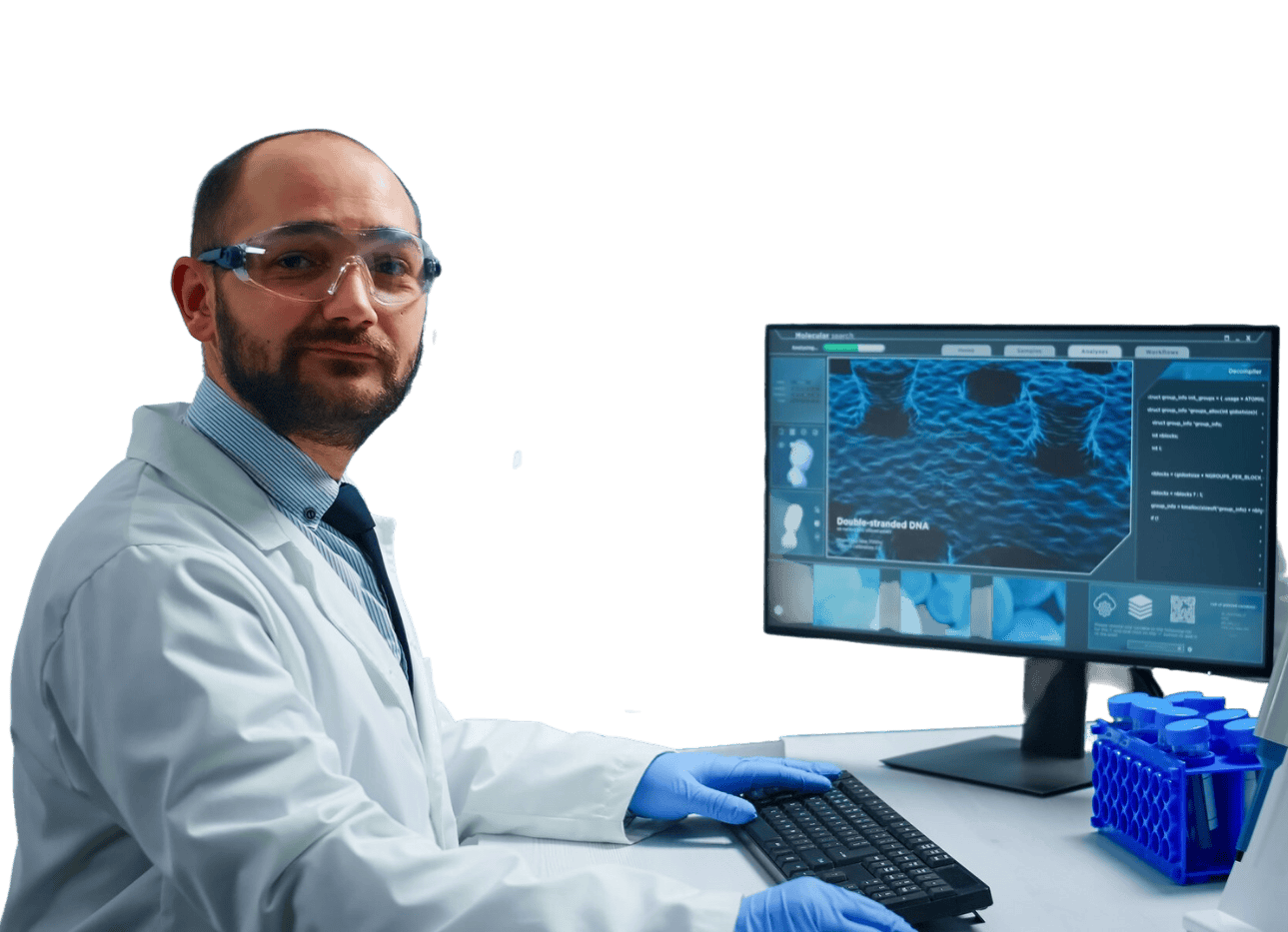


Digital Health Software Development Challenges
The digital health landscape presents unique digital health software development challenges that need innovative software solutions:

COMPLEX DIGITAL HEALTH INTEGRATION NEEDS
Healthcare organizations struggle with integrating multiple digital health platforms, leading to workflow inefficiencies and reduced digital health software adoption rates.
COMPLEX DIGITAL HEALTH INTEGRATION NEEDS
Healthcare organizations struggle with integrating multiple digital health platforms, leading to workflow inefficiencies and reduced digital health software adoption rates.

PATIENT DATA INTEROPERABILITY
Digital health software solutions often face challenges with patient data standardization and exchange between different healthcare systems, impacting care coordination and efficiency.

REGULATORY COMPLIANCE COMPLEXITY
Digital health software must meet strict regulatory requirements like HIPAA and FDA guidelines, making digital health software development more complex and time-consuming.

USER EXPERIENCE AND ADOPTION
Digital health software often suffers from poor user interfaces and workflows, leading to resistance from healthcare professionals and reduced effectiveness of digital health solutions.

what we do
COMPREHENSIVE DIGITAL HEALTH SOFTWARE DEVELOPMENT SERVICES
HOW WE BUILD DIGITAL HEALTH SOFTWARE
A 5-phase delivery process designed around connected care — from interoperability design to live device integration.
DIGITAL HEALTH DISCOVERY
We interview clinicians, product owners, and IT leads to map existing workflows, define integration requirements (EHR, wearables, lab systems), and identify regulatory obligations — HIPAA, FDA, MDR — before design begins.
FHIR ARCHITECTURE AND SECURITY DESIGN
Our architects design an HL7 FHIR R4 data model, specify API contracts for device integrations and cloud health services (AWS HealthLake or Azure FHIR), and produce a written security risk assessment covering data at rest and in transit.
SPRINT DEVELOPMENT WITH LIVE DATA
We build in two-week sprints, connecting real device simulators or sandbox EHR endpoints from day one. Each sprint delivers a testable endpoint — patient data flows, consent forms, device dashboards, or AI inference results — so you validate with real data early.
COMPLIANCE AND INTEROPERABILITY TESTING
We run HIPAA security testing, penetration tests, FHIR conformance validation, and device integration QA. User acceptance testing is conducted with actual end users — nurses, patients, or administrators — depending on the product type.
LAUNCH AND CONTINUOUS MONITORING
We deploy to a HIPAA-eligible, GDPR-compliant cloud environment, configure real-time alerts for device connectivity and data anomalies, and transition to SLA-backed support — with guaranteed response times for critical patient-facing incidents.
WHAT SETS OUR DIGITAL HEALTH SOFTWARE DEVELOPMENT APART
ACCELERATING HEALTHCARE DIGITAL TRANSFORMATION
Our digital health software solutions modernize healthcare delivery through innovative technology. We help healthcare organizations embrace digital transformation to improve efficiency and patient outcomes.

ENABLING CONNECTED HEALTH
We develop healthcare solutions that connect patients, healthcare providers, and health systems. Our software solutions enable seamless patient data sharing and collaborative care delivery across the healthcare ecosystem.

ENSURING SOFTWARE COMPLIANCE
Our software development process adheres to healthcare industry standards and regulations. We build HIPAA-compliant digital health software solutions that protect sensitive patient data while meeting FDA requirements.

OPTIMIZING USER EXPERIENCE
We create intuitive digital health software that healthcare professionals actually want to use. Our user-centered design approach ensures high adoption rates and improved workflow efficiency.
ADVANCING DEVICES ANALYTICS
Our digital health software leverages advanced analytics and AI to transform healthcare data into actionable insights. We help healthcare companies make data-driven decisions for better patient outcomes.
ACCELERATING HEALTHCARE DIGITAL TRANSFORMATION
Our digital health software solutions modernize healthcare delivery through innovative technology. We help healthcare organizations embrace digital transformation to improve efficiency and patient outcomes.
ENABLING CONNECTED HEALTH
We develop healthcare solutions that connect patients, healthcare providers, and health systems. Our software solutions enable seamless patient data sharing and collaborative care delivery across the healthcare ecosystem.
ENSURING SOFTWARE COMPLIANCE
Our software development process adheres to healthcare industry standards and regulations. We build HIPAA-compliant digital health software solutions that protect sensitive patient data while meeting FDA requirements.
OPTIMIZING USER EXPERIENCE
We create intuitive digital health software that healthcare professionals actually want to use. Our user-centered design approach ensures high adoption rates and improved workflow efficiency.
ADVANCING DEVICES ANALYTICS
Our digital health software leverages advanced analytics and AI to transform healthcare data into actionable insights. We help healthcare companies make data-driven decisions for better patient outcomes.
ACCELERATING HEALTHCARE DIGITAL TRANSFORMATION
Our digital health software solutions modernize healthcare delivery through innovative technology. We help healthcare organizations embrace digital transformation to improve efficiency and patient outcomes.
ENABLING CONNECTED HEALTH
We develop healthcare solutions that connect patients, healthcare providers, and health systems. Our software solutions enable seamless patient data sharing and collaborative care delivery across the healthcare ecosystem.
ENSURING SOFTWARE COMPLIANCE
Our software development process adheres to healthcare industry standards and regulations. We build HIPAA-compliant digital health software solutions that protect sensitive patient data while meeting FDA requirements.
OPTIMIZING USER EXPERIENCE
We create intuitive digital health software that healthcare professionals actually want to use. Our user-centered design approach ensures high adoption rates and improved workflow efficiency.
ADVANCING DEVICES ANALYTICS
Our digital health software leverages advanced analytics and AI to transform healthcare data into actionable insights. We help healthcare companies make data-driven decisions for better patient outcomes.
MEASURABLE IMPACT OF DIGITAL HEALTH PLATFORMS
Digital health software built on connected, AI-driven architecture delivers outcomes that generic SaaS cannot match.
Reduction in unnecessary in-person visits via remote patient monitoring
Source: AMA Digital Medicine Study
Faster diagnostic turnaround with AI-assisted clinical decision support
Source: McKinsey Health Report
Lower administrative overhead through automated workflows and digital intake
Source: Deloitte Health Survey
Platform uptime SLA for patient-facing digital health applications we deliver
Average cost reduction in care delivery for RPM-enabled chronic disease programs
Source: NEJM Catalyst
Time to first working module in staging environment — validated with real data
DIGITAL HEALTH SOFTWARE DEVELOPMENT SERVICES EXPERTISE
Comprehensive digital health software solutions for the modern healthcare ecosystem.
DIGITAL HEALTH SOFTWARE DEVELOPMENT SERVICES EXPERTISE
Comprehensive digital health software solutions for the modern healthcare ecosystem.
DIGITAL HEALTH TECHNOLOGY STACK WE BUILD WITH
Health-specific standards, cloud platforms, AI frameworks, and compliance tools — not generic web tech. Connectivity standards include TEFCA exchange via a QHIN, USCDI v3 data classes for patient access and partner exchange, and CDS Hooks for decision-support cards at the point of care. Compliance programs cover HITRUST CSF control mappings, ONC Health IT Certification 170.315 criteria when CEHRT scope applies, and 42 CFR Part 2 consent rules where substance-use records are in scope.
Digital Health Solutions For

Healthcare providers and organizations

Digital health software development companies

Healthcare sector therapeutics companies

Healthcare companies and tech innovators

Digital health software platforms

Remote patient monitoring solution providers

Digital health startups

Health monitoring platforms

Medical laboratories

Medical device manufacturers

Pharmaceutical companies

Medical biotech companies

Contract research organizations

Health insurance companies

Healthcare NGOs and GOs

Fitness and wellness companies
Success Stories
TRANSFORMING HEALTHCARE THROUGH DIGITAL INNOVATION
EXPERTISE
HealthCare
AI
TECHNOLOGIES
TRUSTED BY DIGITAL HEALTH INNOVATORS AND CONNECTED CARE LEADERS
INDUSTRY RECOGNITION

AI Assistant
Partner & CIO
They're true partners in innovation. WTT Solutions' efforts have resulted in a successful MVP launch, over 80% user adoption, and 99.9% system uptime. The team has excellent project management, is responsive, and adapts quickly to changes. Their technical excellence and deep understanding of the client's business goals stand out.
WHY CHOOSE WTT SOLUTIONS FOR DIGITAL HEALTH SOFTWARE DEVELOPMENT?
We deliver innovative, compliant, and user-centric digital health software development that transform healthcare delivery and improve patient outcomes.
DIGITAL HEALTH SOFTWARE EXPERTISE
Our digital health software development company specializes in digital health software development, understanding the unique challenges and requirements of medical devices technology.
SOLUTION WE OFFER:
- Digital health platforms
- Health apps development
- Connected health solutions
- Health data analytics
- HIPAA compliance
- FDA requirements
- Security standards
- Data protection

DIGITAL HEALTH SOFTWARE EXPERTISE

INTEROPERABILITY

USER-CENTRIC DESIGN

SCALABILITY

The return on investment you can expect from our work

Who we are

Watch
1:35
We're not just talking about great products. We make them together with our clients.
Our cases

Clients about us
CUSTOM DIGITAL HEALTH PLATFORM VS OFF-THE-SHELF SAAS
Whether you need a tailored connected care platform or are evaluating commercial digital health products, here is how the options compare.
- Advantage
- Limitation or compromise
- Criterion not met
DIGITAL HEALTH SOFTWARE DEVELOPMENT INVESTMENT
Transparent pricing tiers based on platform complexity. All tiers include HIPAA-compliant architecture, FHIR API design, and a dedicated project manager.
Connected MVP
$40,000 – $100,000
3–6 months
- Single digital health module (RPM, telemedicine, or patient portal)
- HIPAA-compliant cloud infrastructure
- 1 EHR or wearable device integration
- HL7 FHIR R4 API foundation
- Core user roles and audit logging
- 3 months post-launch support
Connected Platform
$100,000 – $260,000
6–12 months
- Multi-module platform (RPM + telemedicine + analytics)
- Up to 4 device or EHR integrations (FHIR R4 + BLE/MQTT)
- AI feature — predictive alerts or NLP clinical notes
- HIPAA + GDPR compliance package
- Real-time dashboards and population health views
- 6 months post-launch support
Enterprise Scale
$260,000+
12–18 months
- Full-featured enterprise digital health ecosystem
- Unlimited integrations (FHIR, HL7 v2, DICOM, IoT devices)
- Custom AI models trained on your patient data
- Multi-tenant, multi-site, white-label ready
- SOC 2 Type II and/or FDA SaMD documentation
- 12 months dedicated support SLA


READY TO BUILD YOUR DIGITAL HEALTH PLATFORM?
Languages, tools, and frameworks
 OpenAI
 Google Gemini
 Anthropic Claude
 LangChain
 LlamaIndex
 Perplexity API
 RAG / Pinecone / Qdrant


 PostgreSQL
 MySQL
MySQL MongoDB
 Redis
Redis Docker
 Kubernetes
 Terraform
 GitHub Actions