Healthcare Software Development Company
Healthcare software development for EHR systems, telemedicine platforms, mHealth apps, and HIPAA-compliant solutions from a healthcare software development company.
- What are the main benefits of working with a custom healthcare software development company?
- A custom healthcare software development company delivers software built around your exact clinical workflows, compliance requirements, and integration landscape — not a generic product that forces your staff to adapt. The core benefits are: (1) workflow fit — features map to real clinician and administrator processes rather than generic templates; (2) compliance-by-design — HIPAA, HL7 FHIR, GDPR, and FDA controls are embedded in the architecture from day one, not retrofitted; (3) interoperability — custom APIs connect your EHR, lab, pharmacy, and billing systems directly; (4) lower long-term TCO — no per-seat licensing fees, no workarounds for missing features, and full ownership of the codebase. WTT Solutions is a healthcare software company with hands-on experience across all of these compliance frameworks.
- What is healthcare software development?
- Healthcare software development is the process of designing, building, and maintaining digital systems for medical and clinical environments — covering EHR/EMR platforms, telemedicine apps, mHealth tools, patient portals, and AI-powered diagnostic software. Unlike general software engineering, healthcare software must satisfy strict regulatory requirements including HIPAA, HITECH, HL7 FHIR interoperability standards, and — for certain SaMD products — FDA 21 CFR Part 11 validation. For a horizontal multi-tenant product outside clinical software, see <a href="/en/platform-development">digital platform development services</a>.
- How much does custom healthcare software development cost?
- Custom healthcare software development typically costs $50,000–$120,000 for a focused HIPAA-compliant MVP and $280,000–$500,000+ for a full enterprise EHR or telemedicine platform. Key cost drivers include the complexity of clinical workflows, the number of third-party integrations (EHR, lab, pharmacy), required compliance certifications, and platform scope (web-only vs. native mobile). WTT Solutions provides a detailed project estimate after a free discovery session, including a compliance roadmap and phased delivery plan.
- How long does it take to develop healthcare software?
- Healthcare software development typically takes 4–6 months for a production-ready MVP and 9–18 months for a full enterprise platform with EHR integration and compliance certification. Timeline is heavily influenced by the scope of HL7 FHIR integrations, the number of user roles, and the regulatory pathway (HIPAA vs. FDA SaMD). WTT Solutions uses agile two-week sprints with milestone-based delivery so clients see working software every sprint.
- What does HIPAA-compliant software development mean in practice?
- HIPAA-compliant software development means building every layer of the system to meet the administrative, physical, and technical safeguards of the HIPAA Security Rule — protecting electronic Protected Health Information (ePHI) from unauthorized access, breach, or misuse. In practice this includes AES-256 encryption at rest and in transit, role-based access control with audit logging, automatic session timeout, signed Business Associate Agreements with every vendor that processes ePHI, and documented risk assessment processes. WTT Solutions builds HIPAA compliance into the architecture from day one, not as an afterthought.
- What types of healthcare software does WTT Solutions build?
- WTT Solutions builds EHR/EMR systems, telemedicine platforms, mHealth and patient engagement apps, hospital management systems, medical billing software, AI-powered clinical decision support tools, patient portals, remote patient monitoring platforms, laboratory information systems, and healthcare data analytics dashboards. We serve hospitals, clinics, healthtech startups, pharma companies, health insurers, and medical device manufacturers across the US, EU, and MENA markets.
- Can you build a custom EHR or EMR system from scratch?
- Yes — WTT Solutions has built custom EHR/EMR systems for specialty clinics, ABA therapy providers, and digital health startups that needed workflows unavailable in off-the-shelf platforms like Epic or Cerner. Our custom EHR solutions include SOAP notes, e-prescribing, lab order management, clinical decision support, FHIR R4 APIs for interoperability, and patient-facing portals — all built HIPAA-compliant and designed to mirror your clinical staff's real workflows.
- What is the difference between mHealth and telemedicine software?
- mHealth covers any health-related mobile app (fitness tracking, chronic disease management, medication reminders), while telemedicine software specifically enables live or asynchronous remote clinical consultations between providers and patients via video, messaging, or phone. Both categories overlap in patient engagement features, but telemedicine platforms require additional clinical workflow design, e-prescribing integration, and stricter HIPAA technical safeguards for live provider-patient communication.
- How do you ensure data security in healthcare software?
- We secure healthcare software at every layer: TLS 1.3 in transit, AES-256 at rest, role-based access control with least-privilege principles, multi-factor authentication for all provider interfaces, continuous intrusion detection, and penetration testing before every major release. We also conduct annual HIPAA risk assessments and SIEM-based audit logging, and provide clients with the documentation needed for their own compliance audits and BAA obligations.
- Can you integrate custom software with existing hospital systems (HL7/FHIR)?
- Yes — HL7 FHIR R4 and HL7 v2 integration is a core capability of our team, with certified integrations for Epic, Cerner, Allscripts, eClinicalWorks, athenahealth, Meditech, and 30+ other systems. We implement SMART on FHIR for app authorization, CDS Hooks for real-time clinical decision support embedding, and Bulk FHIR APIs for large-scale data export for analytics and AI model training.
- Do you support post-launch maintenance and ongoing development?
- Yes — WTT Solutions provides ongoing support, maintenance, and feature development after launch under dedicated SLA agreements, including 24/7 critical incident response and regular security patches. This includes OS and dependency updates, performance monitoring, and quarterly compliance reviews to keep your healthcare software current with evolving HIPAA, HITECH, and ONC regulations. We also offer a dedicated team model where our engineers work as an embedded extension of your in-house team. For end-to-end vendor-managed delivery, see our <a href="/en/software-development-outsourcing">software development outsourcing</a> services; for client-managed seats, see <a href="/en/it-staff-augmentation">IT staff augmentation</a>.
- What technologies do you use for healthcare software development?
- Our core healthcare software stack includes React and Next.js for clinical web UIs, React Native and Flutter for cross-platform mobile apps, Node.js and .NET for HIPAA-compliant backend APIs, and PostgreSQL/MongoDB for clinical data storage. For cloud infrastructure we use AWS HealthLake and Azure Health Data Services (FHIR-native), with Docker/Kubernetes for scalable, auditable deployments. We select the right combination based on your clinical workflow requirements, data volumes, and existing infrastructure.
- How do you handle GDPR compliance for healthcare software serving EU patients?
- We build GDPR compliance into EU healthcare software from day one: explicit patient consent management, data minimization controls, right-to-erasure workflows, EU data residency (AWS Frankfurt or Azure West Europe), and documented Data Protection Impact Assessments (DPIAs) for high-risk processing. We also prepare Data Processing Agreements (DPAs) with all subprocessors and ensure data protection by design and by default across the full application stack.
- Can you build AI-powered features for healthcare software?
- Yes — our AI healthcare development services include NLP-based clinical documentation automation (reducing note-writing time by up to 40%), predictive readmission risk models, AI-assisted radiology image analysis, automated ICD-10/CPT medical coding, chatbot-powered patient triage, and population health analytics dashboards. All AI features are validated against clinical datasets and comply with FDA SaMD guidance where applicable.
- What is the difference between custom and off-the-shelf healthcare software?
- Custom healthcare software is built around your exact clinical workflows with full IP ownership and no recurring licensing fees; off-the-shelf platforms like Epic or Cerner offer immediate availability but charge $500–$1,200+ per provider per month and require you to adapt to their design. Custom development delivers proprietary features, unlimited integration flexibility, and a one-time build cost — while off-the-shelf may suit organizations with standard workflows and limited budget for upfront development. WTT Solutions helps healthcare organizations evaluate this trade-off with a structured build-vs-buy analysis.



Key Challenges in Healthcare Software Development
Building compliant, interoperable, and secure medical software demands more than general engineering skills — that's why healthcare providers turn to a custom healthcare software development company like WTT Solutions for end-to-end healthcare software development services.

FRAGMENTED EHR AND LEGACY SYSTEM LOCK-IN
Over 70% of hospitals run two or more disconnected EHR platforms. Poor interoperability increases clinician workload, duplicates records, and delays critical care decisions.
FRAGMENTED EHR AND LEGACY SYSTEM LOCK-IN
Over 70% of hospitals run two or more disconnected EHR platforms. Poor interoperability increases clinician workload, duplicates records, and delays critical care decisions.

HIPAA COMPLIANCE AND CYBERSECURITY GAPS
Healthcare data breaches cost an average of $10.9M per incident. Custom healthcare software development must embed HIPAA, HITECH, and GDPR controls from day one to avoid crippling fines and patient-trust loss.

HIGH COST OF OFF-THE-SHELF HEALTHCARE SOFTWARE
Generic EHR platforms charge $500–$1,200 per provider per month plus per-module fees. Custom medical software eliminates recurring licensing, fits your exact workflows, and scales without vendor lock-in.

SLOW DEVELOPMENT AND COMPLIANCE TESTING CYCLES
FDA 21 CFR Part 11, SOC 2, and HL7/FHIR validation add months to healthcare software release cycles when teams lack domain experience, delaying ROI for hospitals and digital health startups alike.

what we do
CUSTOM HEALTHCARE SOFTWARE DEVELOPMENT SERVICES WE DELIVER
HOW WE DEVELOP HEALTHCARE SOFTWARE
A structured 5-phase process validated with clinical teams at every stage to ensure compliance, usability, and on-time delivery.
DISCOVERY AND REQUIREMENTS
We conduct stakeholder interviews with clinicians, administrators, and compliance officers. We map clinical workflows, identify integration points with existing systems, and define regulatory requirements before a single line of code is written.
ARCHITECTURE AND COMPLIANCE DESIGN
Our architects design a HIPAA/GDPR-compliant data model, define HL7 FHIR APIs, select cloud infrastructure (AWS HealthLake or Azure), and produce a written security risk assessment aligned with HIPAA Security Rule requirements.
AGILE DEVELOPMENT IN SPRINTS
We build in two-week sprints with continuous stakeholder demos. Each sprint delivers a testable module — patient data flows, consent management, clinical forms, or integration endpoints — so you see working software from week one.
COMPLIANCE AND CLINICAL VALIDATION
We run HIPAA security testing, penetration tests, accessibility (WCAG 2.1) audits, and user acceptance testing with real clinical users. For SaMD products, we prepare the software description and risk management documentation for FDA submission.
LAUNCH AND ONGOING SUPPORT
We deploy to a HIPAA-eligible cloud environment, configure monitoring and alerting, onboard your team, and transition to an SLA-backed support model with guaranteed response times for critical incidents.
BUILT-IN COMPLIANCE, INTEROPERABILITY, AND SECURITY — NOT BOLTED ON

HIPAA-FIRST DEVELOPMENT APPROACH
Every line of code we write for medical software projects follows HIPAA Security Rule controls: end-to-end encryption, audit logging, minimum necessary access, and BAA-covered infrastructure from day one.

HL7 FHIR AND INTEROPERABILITY EXPERTISE
Our healthcare software developers are certified in HL7 FHIR R4, ensuring your system exchanges patient data with EHRs, labs, and payers using standardized APIs that meet 21st Century Cures Act requirements. Exchange architectures can participate under TEFCA through connected networks. We also integrate with a QHIN when national query and push pathways are required. Interfaces surface USCDI v3 data classes for patient access and partner exchange. Population analytics and cohort feeds use Bulk FHIR ($export) for large-scale FHIR data pulls.

REGULATORY COMPLIANCE BUILT IN, NOT BOLTED ON
We embed FDA 21 CFR Part 11, SOC 2 Type II, ISO 13485, GDPR, and HITECH compliance into the architecture of your healthcare software — avoiding costly retrofits and failed audits down the line. Security programs can also map controls to HITRUST CSF for healthcare-specific assurance. Certified product roadmaps align features with ONC Health IT Certification 170.315 criteria when CEHRT scope applies.

CLINICAL WORKFLOW VALIDATION
We conduct clinical workflow discovery sessions with physicians, nurses, and administrators before writing a single line of production code, ensuring your custom healthcare software maps to real clinical realities.

SCALABLE ARCHITECTURE FOR GROWTH
Our healthcare software systems are built on cloud-native, microservices architectures on AWS or Azure, supporting multi-tenant deployments, high-availability SLAs of 99.9%, and HIPAA-eligible cloud services.
HIPAA-FIRST DEVELOPMENT APPROACH
Every line of code we write for medical software projects follows HIPAA Security Rule controls: end-to-end encryption, audit logging, minimum necessary access, and BAA-covered infrastructure from day one.
HL7 FHIR AND INTEROPERABILITY EXPERTISE
Our healthcare software developers are certified in HL7 FHIR R4, ensuring your system exchanges patient data with EHRs, labs, and payers using standardized APIs that meet 21st Century Cures Act requirements. Exchange architectures can participate under TEFCA through connected networks. We also integrate with a QHIN when national query and push pathways are required. Interfaces surface USCDI v3 data classes for patient access and partner exchange. Population analytics and cohort feeds use Bulk FHIR ($export) for large-scale FHIR data pulls.
REGULATORY COMPLIANCE BUILT IN, NOT BOLTED ON
We embed FDA 21 CFR Part 11, SOC 2 Type II, ISO 13485, GDPR, and HITECH compliance into the architecture of your healthcare software — avoiding costly retrofits and failed audits down the line. Security programs can also map controls to HITRUST CSF for healthcare-specific assurance. Certified product roadmaps align features with ONC Health IT Certification 170.315 criteria when CEHRT scope applies.
CLINICAL WORKFLOW VALIDATION
We conduct clinical workflow discovery sessions with physicians, nurses, and administrators before writing a single line of production code, ensuring your custom healthcare software maps to real clinical realities.
SCALABLE ARCHITECTURE FOR GROWTH
Our healthcare software systems are built on cloud-native, microservices architectures on AWS or Azure, supporting multi-tenant deployments, high-availability SLAs of 99.9%, and HIPAA-eligible cloud services.
HIPAA-FIRST DEVELOPMENT APPROACH
Every line of code we write for medical software projects follows HIPAA Security Rule controls: end-to-end encryption, audit logging, minimum necessary access, and BAA-covered infrastructure from day one.
HL7 FHIR AND INTEROPERABILITY EXPERTISE
Our healthcare software developers are certified in HL7 FHIR R4, ensuring your system exchanges patient data with EHRs, labs, and payers using standardized APIs that meet 21st Century Cures Act requirements. Exchange architectures can participate under TEFCA through connected networks. We also integrate with a QHIN when national query and push pathways are required. Interfaces surface USCDI v3 data classes for patient access and partner exchange. Population analytics and cohort feeds use Bulk FHIR ($export) for large-scale FHIR data pulls.
REGULATORY COMPLIANCE BUILT IN, NOT BOLTED ON
We embed FDA 21 CFR Part 11, SOC 2 Type II, ISO 13485, GDPR, and HITECH compliance into the architecture of your healthcare software — avoiding costly retrofits and failed audits down the line. Security programs can also map controls to HITRUST CSF for healthcare-specific assurance. Certified product roadmaps align features with ONC Health IT Certification 170.315 criteria when CEHRT scope applies.
CLINICAL WORKFLOW VALIDATION
We conduct clinical workflow discovery sessions with physicians, nurses, and administrators before writing a single line of production code, ensuring your custom healthcare software maps to real clinical realities.
SCALABLE ARCHITECTURE FOR GROWTH
Our healthcare software systems are built on cloud-native, microservices architectures on AWS or Azure, supporting multi-tenant deployments, high-availability SLAs of 99.9%, and HIPAA-eligible cloud services.
Healthcare Organizations We Build Software For

Software Development for Hospitals

Software Development for Medical Practices

Custom Healthtech Software Development

Healthcare Startups

Mental Health Providers

Care Management Organizations

Remote Patient Monitoring

Telemedicine Providers

Diagnostic Laboratories

Medical Device Manufacturers

Pharmaceutical Companies

HIPAA Compliant IT Services

Medical Research Institutions

Health Insurance Providers

Medical Billing Companies

SOC 2 Compliance Programs
Success Stories
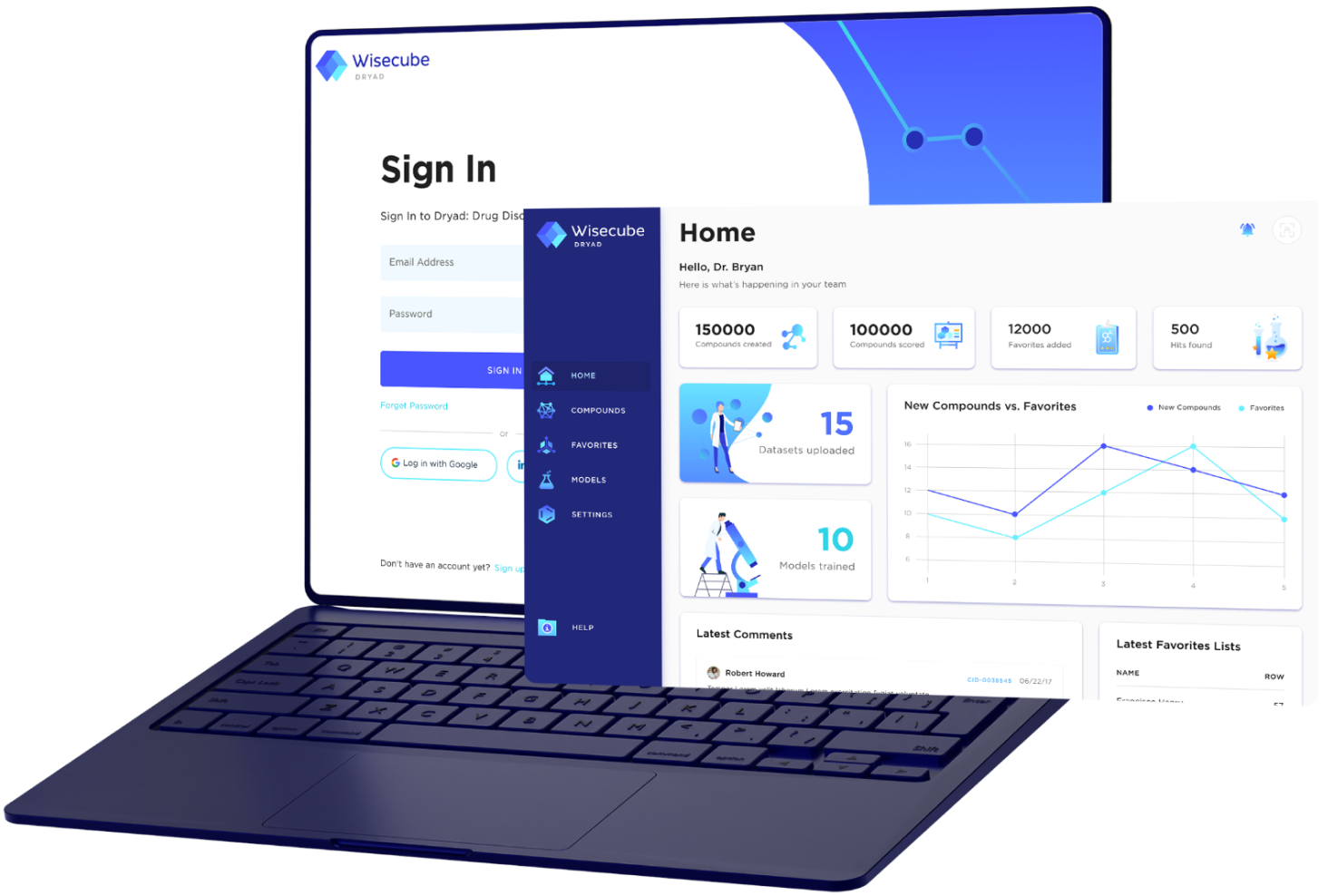
A custom AI-powered screening platform that reduced manual review time by 60% and enabled earlier intervention for high-risk patient cohorts in clinical trial settings.
EXPERTISE
HealthCare
AI
TECHNOLOGIES
TRUSTED BY HEALTHCARE PROVIDERS AND MEDICAL SOFTWARE TEAMS
INDUSTRY RECOGNITION

AI Assistant
Partner & CIO
They're true partners in innovation. WTT Solutions' efforts have resulted in a successful MVP launch, over 80% user adoption, and 99.9% system uptime. The team has excellent project management, is responsive, and adapts quickly to changes. Their technical excellence and deep understanding of the client's business goals stand out.
WHAT SETS WTT SOLUTIONS APART FROM OTHER HEALTHCARE SOFTWARE VENDORS
As a trusted custom healthcare software development company, we combine 8+ years of healthcare domain expertise with modern medical software development practices to deliver compliant, scalable, and clinically validated software on time. Unlike many healthcare software development companies that resell white-label platforms, we build purpose-built systems you fully own.
WHAT WE DO NOT CUSTOMISE, AND WHY
Every healthcare software solution we deliver is architected around your clinical workflows, specialty, patient volume, and regulatory environment — never adapted from a generic template.
SOLUTION WE OFFER:

CUSTOMIZATION

INNOVATION

EXPERTISE

SCALABILITY

The return on investment you can expect from our work

Who we are

Watch
1:35
We're not just talking about great products. We make them together with our clients.
Our cases

Clients about us
CUSTOM HEALTHCARE SOFTWARE SOLUTIONS WE DELIVER
For hospitals, clinics, healthtech startups, and established healthcare product companies.
CUSTOM HEALTHCARE SOFTWARE SOLUTIONS WE DELIVER
For hospitals, clinics, healthtech startups, and established healthcare product companies.
CUSTOM HEALTHCARE SOFTWARE VS OFF-THE-SHELF PLATFORMS
Not every healthcare organization needs the same solution. Here is how custom development compares with products like Epic, Cerner, or Salesforce Health Cloud.
- Advantage
- Limitation or compromise
- Criterion not met
HEALTHCARE SOFTWARE DEVELOPMENT INVESTMENT
Transparent pricing tiers based on project scope. All tiers include HIPAA-compliant architecture and a dedicated project manager.
MVP
$50,000 – $120,000
4–6 months
- Single-module web or mobile app
- HIPAA-compliant architecture
- 1 EHR or external system integration
- Basic patient or provider portal
- Core user roles and access control
- 3 months post-launch support
Growth Platform
$120,000 – $280,000
6–12 months
- Multi-module web + mobile platform
- Up to 3 EHR/system integrations (FHIR R4)
- AI-powered feature (NLP, predictive, chatbot)
- HIPAA + GDPR compliance package
- Telemedicine or remote monitoring module
- Analytics dashboard
- 6 months post-launch support
Enterprise
$280,000+
12–18 months
- Full-featured enterprise platform
- Unlimited integrations (HL7 v2, FHIR, DICOM)
- Multi-tenant, multi-site architecture
- SOC 2 Type II and/or FDA SaMD documentation
- Custom AI models and predictive analytics
- Population health and reporting modules
- 12 months dedicated support SLA


LET'S BUILD YOUR HEALTHCARE SOFTWARE PLATFORM
Languages, tools, and frameworks
 OpenAI
 Google Gemini
 Anthropic Claude
 LangChain
 LlamaIndex
 Perplexity API
 RAG / Pinecone / Qdrant


 PostgreSQL
 MySQL
MySQL MongoDB
 Redis
Redis Docker
 Kubernetes
 Terraform
 GitHub Actions